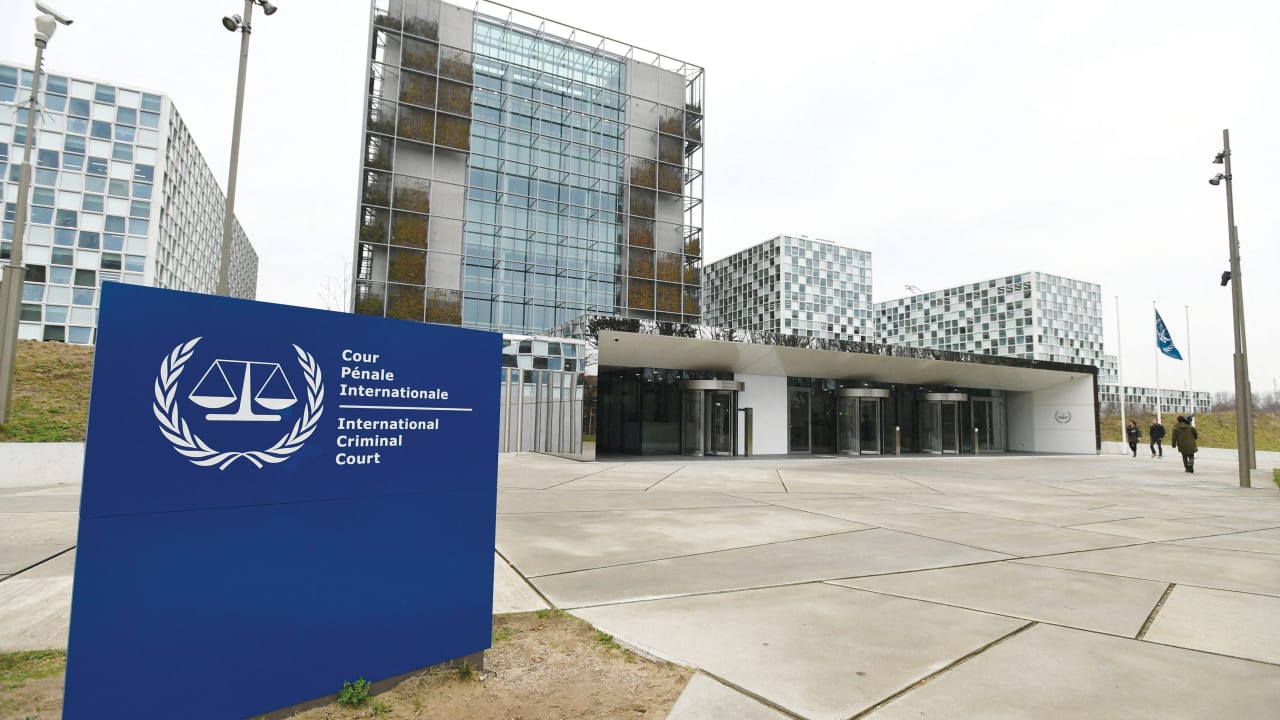
Even if the war ends and the Israeli hostages are returned in the coming days, there will likely be no end to the proceedings against Israel before the International Criminal Court and the International Court of Justice.
The ICC’s arrest warrants against Prime Minister Benjamin Netanyahu and former defense minister Yoav Gallant were approved by the ICC’s lower trial court last November.
There is currently no expectation that Netanyahu and Gallant will have their records wiped clean as a reward for ending the war and some kind of an apology, even though a decade or so ago, there was more talk globally about “transitional justice” paradigms in which such moves were advocated.
If anything, Netanyahu’s situation could be made more vulnerable if he is forced from power in elections in 2026, since heads of state have immunity according to some countries.
The warrants against Netanyahu and Gallant were undermined by the ICC’s Appeals Chamber this April. But they were still kept alive, and all signs from legal pleadings filed over this past summer in the ICC are that the arrest warrants will ultimately be upheld, with a potential decision coming soon.

Israel could appeal again to the Appeals Chamber, which could delay the case until next year.
International opinion against Israel
But the bottom line is that most of the world – aside from Israel, the Republicans in the US, and another eight or so Eastern European and other countries closely aligned with Jerusalem – believes IDF soldiers have committed war crimes in Gaza or, even worse, genocide.
In February, the Trump administration placed some sanctions on senior ICC officials for their actions toward Israel. In August, it broadened these sanctions.
There were even leaked reports two weeks ago that the US was about to sanction the entire ICC.
Nevertheless, all signs indicate that the ICC has the full support of its mostly European contributors and is digging in for the long haul against Israel, regardless of the political and financial consequences.
Reportedly, the ICC paid its employees last month for the entire rest of 2025 to avoid a situation in which new American sanctions would interfere with its banking systems and delay employee payments.
Also, the ICC is exploring new providers for technological issues to avoid being locked out of its systems by companies bound by US sanctions.
Even the indefinite suspension of ICC chief prosecutor Karim Khan on sexual-harassment charges has not sidelined the case against Israel, with the ICC’s two deputy prosecutors defending their arrest warrants at the ICC’s lower trial court as aggressively as Khan ever did.
Likewise, the ICJ case against Israel for alleged genocide, which started in January 2024, is slowly rumbling forward.
Israel got a helpful delay when the ICJ did not rule against it in early 2024 and another helpful delay when the ICJ allowed it to push off its response to genocide charges from this past July until January 2026. But January 2026 is now pretty soon.
Hamas produced numbers dominating the narrative
In the interim, Israel suffered through the summer months in which most of the world declared that it had pushed Gaza into a state of famine.
The facts were far more complex, and no one has proven that huge numbers of Palestinians died from starvation. But Israel’s own sudden reversal to jump the number of UN aid trucks from 70 to more than 300 per day indicated that there was a big spike in food insecurity.
This spike was at least partially caused by Israel blocking food aid from this March to May, something the ICJ knew about at the time. But the late-summer food insecurity problems may harm the Jewish state’s broader credibility before the court.
It also does not help Israel’s case that while it could claim having killed more than 20,000 Hamas terrorists in 2023-2024, it has killed fewer than 2,500 Hamas fighters in 2025, according to IDF statistics, even as the number of claimed Palestinian civilian deaths has continued to jump. The Hamas-run Gaza Health Ministry estimates that about 20,000 Palestinians have been killed this year.
It does not matter at this point whether Israel disputes these numbers, as a global narrative has taken hold, and the IDF has consistently failed to provide comprehensive numbers that refute it, other than the number of killed Hamas fighters.
In short, Israel is in for some tough times before the ICC and the ICJ.
Likely, the best it can hope for is to convince the ICC to not issue more arrest warrants, which might include IDF soldiers, and to beat the ICJ case on the technicalities of genocide needing such a high standard of proof. Getting Israel’s narrative accepted in these international courts is less likely.