State Comptroller Matanyahu Englman accused successive governments and prime ministers, most notably Benjamin Netanyahu, as well as defense ministers, and Finance Minister Betzalel Smotrich, of ignoring the needs of northern residents before, during, and after they were under fire from Hezbollah as part of the current war.
Hezbollah fired rockets at northern residents from October 8, 2023, until November 27, 2024.
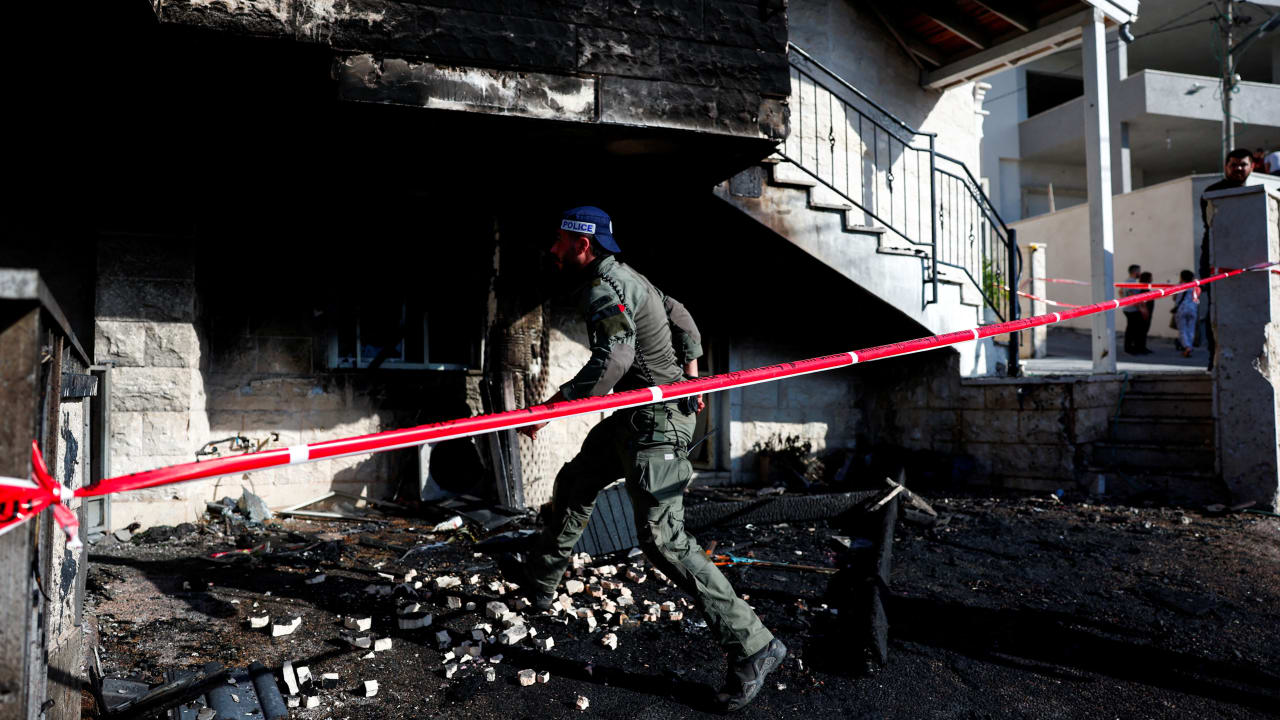
For much of the war, 60,000-80,000 northern residents were evacuated from their communities, and large portions of villages like Metulla, Manarah, and others were destroyed.
Only a fraction of these communities and of other communities that were also under fire for large portions of the war had proper safe rooms and bomb shelters.
This was despite the fact that since the Second Lebanon War of 2006, their vulnerability to Hezbollah rockets was well-established.

Even after the conflict in the north ended in November 2024, it took several months for the government to start rebuilding, and in many communities, rebuilding is still far behind where it could be.
Netanyahu top official responsible, Englman says
Englman said that Netanyahu was the top official responsible as prime minister for the most years since 2006 and during the current war.
He also put responsibility on former prime ministers Naftali Bennett (June 2021-June 2022) and Yair Lapid (June 2022-December 2022).
In addition, he placed responsibility on multiple defense ministers during this period, including Yoav Gallant, who was the defense minister from January 2023 to November 2024.
Englman placed special responsibility on Smotrich as Netanyahu appointed him the leader of the socio-economic cabinet task force, in particular charged with civilian issues of northern residents.
The comptroller said that Smotrich barely held meetings of the task force and even more rarely tried to implement any task force initiatives.
In addition, the report accused the National Security Council of abandoning the issue.
Smotrich said that he was technically in charge of the socio-economic cabinet task force, but that in actuality, there were so many legal and bureaucratic elements in the way that he lacked the true power to properly address the situation.