Hamas is continuing to pay tens of thousands of civil servants in the Gaza Strip through a covert, cash-based system despite nearly two years of war with Israel and widespread destruction of its infrastructure, the BBC reported on Wednesday.
Approximately 30,000 employees affiliated with the Hamas-run government are receiving partial salary payments totaling $7 million, according to the British news site.
Recipients reportedly collect up to 20% of their pre-war wages every 10 weeks, with recent disbursements amounting to about $300 per employee.
Three civil servants interviewed by the BBC confirmed receiving such payments within the past week.
Due to the collapse of Gaza’s banking system, payments are delivered in person at secret locations.

Workers receive encrypted instructions directing them to specific sites, where individuals hand over sealed envelopes containing cash. Israeli airstrikes have reportedly targeted several distribution points.
Humanitarian conditions deteriorating
The payments come amid severe food shortages and rising inflation in Gaza. Aid agencies blame Israeli restrictions for the situation; however, Israeli officials have denied the claims. Flour prices have reached up to $80 per kilogram in recent weeks, and malnutrition rates continue to rise.
The IDF said in March it had killed Ismail Barhoum, identified as the head of Hamas’s financial operations, in an airstrike on Nasser Hospital in Khan Yunis. Barhoum was accused of directing funds to Hamas’s military wing.
According to a senior Hamas official cited by the BBC, the group had stored around $700 million in cash and hundreds of millions of shekels in underground tunnels prior to its October 7, 2023, attack on Israel.
The financial reserves were reportedly overseen by Hamas leader Yahya Sinwar and his brother Mohammed, both of whom have since been killed by Israeli forces.
Sources of funding
Hamas has historically generated revenue through import duties and taxes in Gaza and has received financial backing from Qatar, according to the report. Its military wing, the Qassam Brigades, operates under a separate funding structure supported primarily by Iran.
A senior Muslim Brotherhood official told the BBC that roughly 10% of the Brotherhood’s budget is allocated to Hamas.
Hamas is continuing to raise revenue during the ongoing conflict by collecting taxes from local traders and selling cigarettes at sharply increased prices, the BBC reported. According to the report, the cost of a box of 20 cigarettes, previously $5, has risen to more than $170.
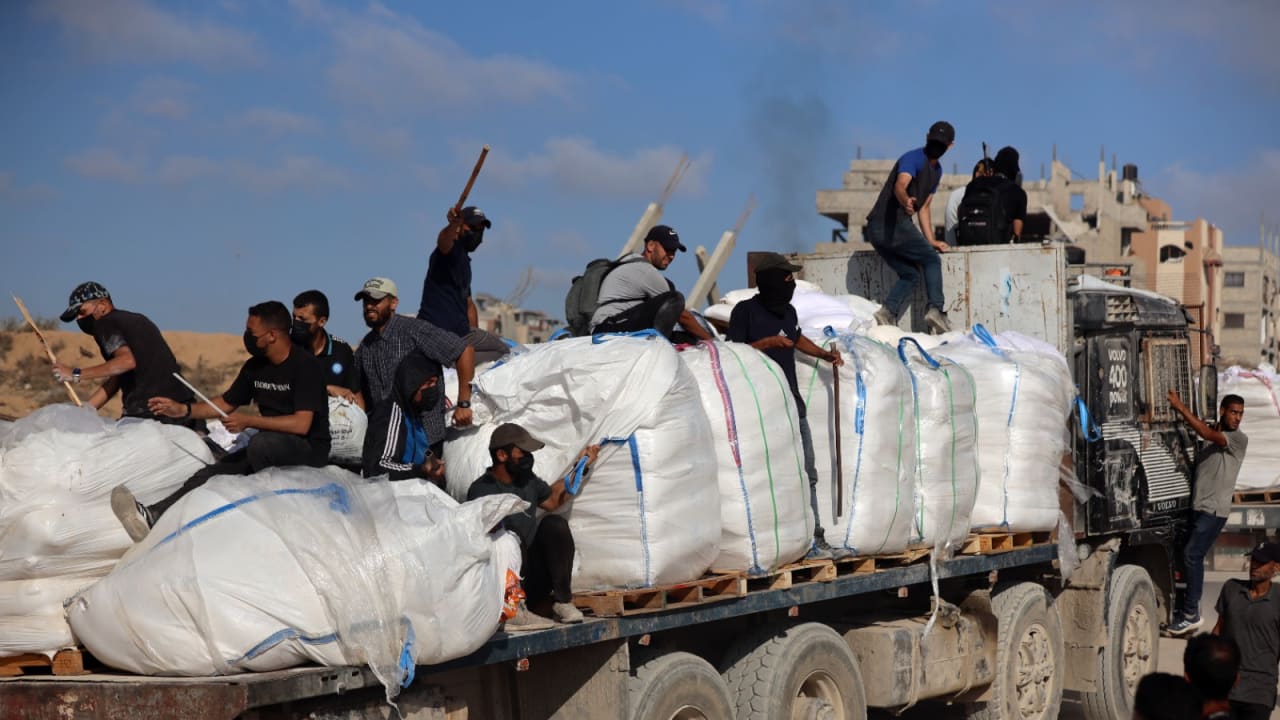
In addition to cash salary payments, Hamas has distributed food parcels to its members and their families through local emergency committees. The BBC noted that the leadership of these committees is frequently rotated, reportedly due to repeated Israeli airstrikes.
The report stated that many Gaza residents have accused Hamas of distributing aid selectively, favoring its supporters over the broader civilian population.
Israel and its international allies have repeatedly said that Hamas seizes humanitarian aid that entered the Strip. Hamas has denied these allegations. BBC sources in Gaza said the group took large quantities of aid during the ceasefire earlier this year.
Nisreen Khaled, a widow with three children, told the BBC that she was unable to access food aid while others nearby received parcels.
“When the hunger worsened, my children were crying not only from pain but also from watching our Hamas-affiliated neighbours receive food parcels and sacks of flour,” she said.
“Are they not the reason for our suffering? Why didn’t they secure food, water, and medicine before launching their October 7 adventure?”