The weather in Israel has had one of the most extreme years in Israel's history in 2025, according to data from the Meteorological Service compiled by the head of Climate Services, Dr. Amos Porat. While only the fifth-hottest year since 1950, the year was still packed with extreme events, from near-50 °C heat in the Jordan Valley to once-in-a-hundred-years rainfall records in the western Galilee.
According to the data, 2025 was 1.1°C warmer than average. This makes 14 out of the past 15 years warmer than average, proving that the worrying warming trend that began in the mid-1990s is only intensifying.
With the exception of February, almost every month of the year was warmer than average, with the peak recorded in August during an extreme heat wave when Kibbutz Gilgal reached 49.7°C, the second-highest temperature ever recorded in Israel.
The nights offered no relief either. In Sdom, the record for Israel's highest overnight minimum was broken with a temperature of 37.1°C one night.
Rain and drought
The 2024-2025 rainy season will be remembered as a year of extreme drought, with only about 55% of the average rainfall. In northern Israel, the situation was even worse; in the northern mountains and the Golan, totals reached just 35% to 40% of the average, an unprecedented figure not seen for about 100 years.
But despite the overall dryness, the skies also unleashed frightening bursts of rain. In September, the national daily rainfall record was broken in Nahariya, where more than 130 mm fell within just a few hours, an intensity that statistics predict only once in a hundred years.
In May, 31 mm of rain fell in just 10 minutes at Nahal Arugot, causing heavy damage and forcing the Ein Gedi reserve to close for months.
2025 by month
January was one of the driest and hottest since measurements began, with daytime temperatures 3 to 4°C above average.
February was the only month colder than average since 2003, including the Coral cold snap with minus 6°C in the northern Golan.
March was a hot month that included a temperature record in Eilat, 37.9°C, and an unusual flooding event in Sdom and the Arava.
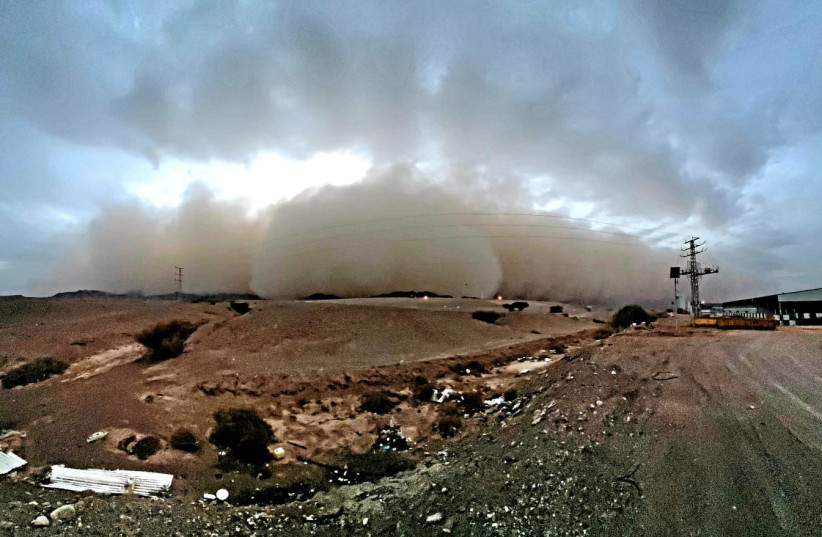
April was marked by two extreme Sharav events that led to massive fires in the Eshtaol Forest, evacuations, and the cancellation of Independence Day ceremonies.
In May, a rare combination of four severe Sharav events in one month alongside unusual rainfall intensities in southern Israel occurred.
June, while warmer than average, did not have any especially unusual weather events compared to the rest of the year.
July had a scorching second half of the month, with a prolonged heat wave bringing Sdom to 47.4°C.
August was another hot month in which maximum records were broken in Gilgal, 49.7°C, and the overnight minimum record in Sdom.
September broke the national daily rainfall record in Nahariya with more than 130 mm.
October was a low rainfall month that ended with a heat wave and sharav days in its final third.
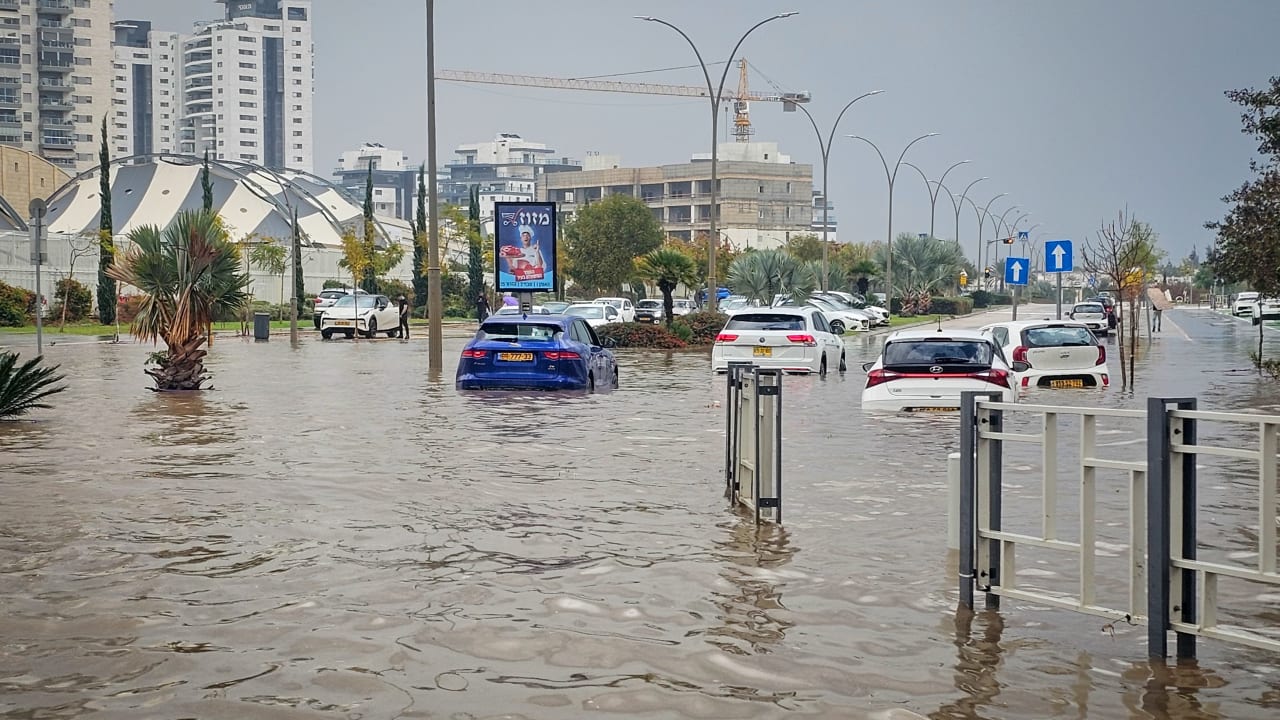
November was declared the hottest November on record, and it also saw unprecedented rainfall in Ashkelon and Ariel.
December was wetter than average, peaking with Storm Byron, which brought up to 200 mm of rain and severe flooding in Yavne and Ashkelon.
This year once again showed that Israel's climate is becoming harsher and more unpredictable. Alongside a severe drought year in the north, there were short but destructive rain systems, and a November hotter than any November ever measured. The fact that a year like this ranks only fifth in the record highlights just how high and dangerous the new "normal" has become.
The Environment and Climate Change portal is produced in cooperation with the Goldman Sonnenfeldt School of Sustainability and Climate Change at Ben-Gurion University of the Negev. The Jerusalem Post maintains all editorial decisions related to the content.