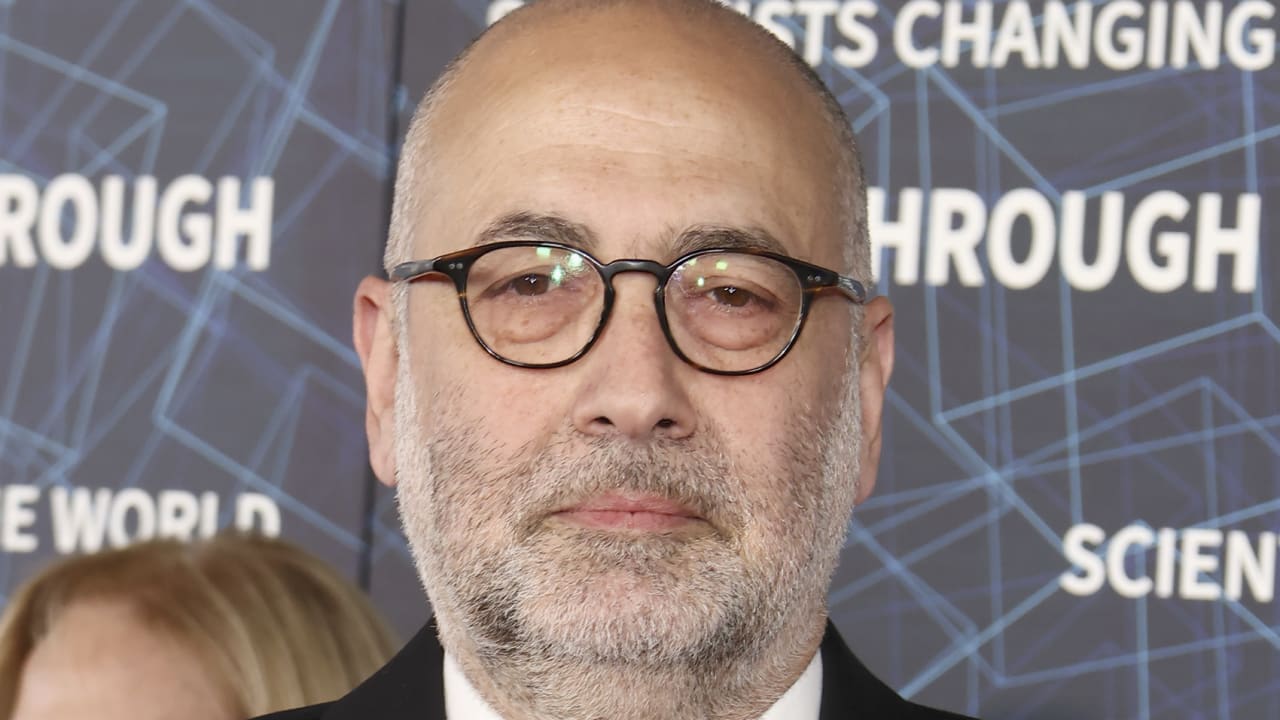
Israel’s Consul General to the Northwest United States, Ambassador Marco Sermoneta, found himself at the center of controversy during a Memorial Day ceremony on Tuesday in Silicon Valley, California.
The event, which was primarily attended by Israeli expatriates, took an unexpected turn when his speech was met with loud protests. As Sermoneta denounced critics of the IDF and the State of Israel, calling their actions harmful to the Jewish state and the safety of Jews globally, members of the audience interrupted his address with chants of “shame” and “disgrace,” alongside loud whistles.
A group of attendees even began singing the Israeli national anthem, Hatikvah, in protest. The disturbance created a tense atmosphere during the ceremony, which had already been affected by heavy rain, prompting some attendees to watch the event from home. Despite the outbursts, Sermoneta continued with his speech, but faced immediate backlash for ignoring the disruption.
Ofir Gutlzon, a longtime Silicon Valley resident and leader of the "Unacceptable" movement, condemned the incident. "What angered us was the cynical exploitation of the official occasion, by virtue of his role as our consul, for political agenda purposes," said Gutlzon.
"It is unacceptable for an official representative of the State of Israel to represent the political agenda of the government and not be national, especially when there are bereaved families in the audience," Gutlzon added.
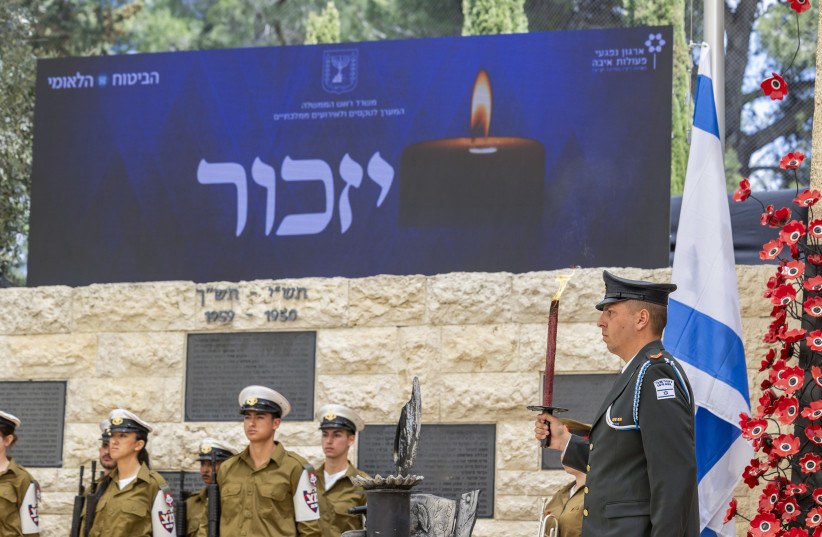
Gutlzon's sentiments were echoed by others who felt that Memorial Day should remain a non-political event, a time of mourning for those who had fallen in Israel’s wars. The disruption, they argued, undermined the day’s solemn purpose.
Not all views aligned with the protesters. A response on social media defended the consul’s speech, criticizing what they termed the “Kaplanists,” a reference to a faction within the Israeli expatriate community, for continually disrupting the memorial service.
The Foreign Affairs Ministry also expressed regret over the protest, calling it unjustifiable. “We regret that a handful of protesters unjustifiably chose to disrupt and disgrace the Memorial Day ceremony in San Francisco, desecrating the sanctity of Memorial Day and the memory of the fallen,” said a Ministry spokesperson.
Broader debate on Israel's political divisions
Zack Bonder, the director of the Oshman Jewish Community Center in Palo Alto, offered his apology to the community, emphasizing the importance of maintaining the memorial's sanctity.
“Our shared mourning has been harmed,” he said. “This day is, and always has been, sacred. It was meant to be a moment of deep respect, a time when we set aside our differences to stand together in mourning for those who gave their lives to defend the State of Israel.”
The incident has sparked wider discussions about Israel’s political divisions, especially within the diaspora. Eran Etzion, a former consul of Israel in San Francisco, argued that the disruption reflected the growing dissatisfaction with the current Israeli government.
“We, the democratic majority, the decent Israelis, who are fed up with this government, will soon replace it and embark on a new path,” Etzion remarked. He added that the protest was a sign of the increasing rift between the government’s actions and the concerns of both Israelis and Jewish communities abroad.
Etzion’s remarks also hinted at the broader emotional impact of this political divide, noting that Memorial Day is a deeply personal and significant event for Israelis in Silicon Valley, especially those who continue to support and contribute to the Jewish state. For many, the tension between loyalty to Israel and opposition to the government’s policies is becoming increasingly difficult to reconcile.