
One of the central concerns surrounding smart glasses has always been the question of how much they might compromise the privacy of those around the user. Now, a new report by WIRED indicates that Meta is exploring an option that could make this debate even more sensitive: Facial recognition capability built into its smart glasses system, developed in collaboration with Ray–Ban.
According to the report, inside the Meta AI app – the official companion app for the Meta Ray–Ban glasses – lies a hidden, inactive feature called NameTag. This is a system that has been under development across several updates released this year, and its purpose is to identify people appearing in photos and videos captured by the glasses' cameras.
Meta AI serves as the linking mechanism between the glasses and Meta's cloud services, and therefore it provides the device with internet access and the company's processing capabilities. According to the findings, since the glasses cannot be used without the app, the infrastructure required to run facial recognition already exists on almost every device connected to the glasses.
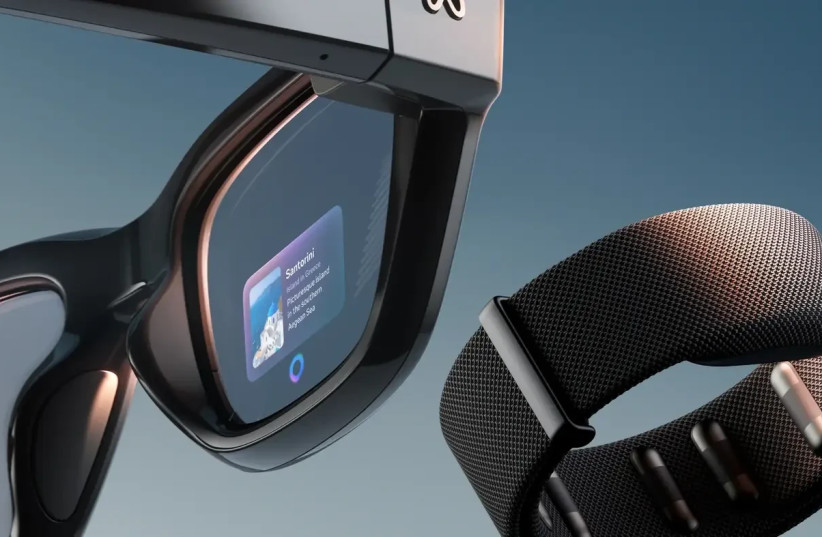
The report notes that NameTag operates through three artificial intelligence models. The first detects the face in the image, the second aligns and repositions the image for processing, and the third converts the face into biometric data that can be used for identification. It is further claimed that after creating the "faceprint," the identified data is stored on the user's device, after being pulled from the company's servers.
WIRED mentions that as early as last April, Meta admitted it was "exploring" the possibility of integrating facial recognition into its products. However, according to code traces discovered in the app, it appears that the initial infrastructure for the feature has existed since at least January of this year. Theoretically, even users who have not updated the app since then may possess a version that includes the components of the system.
Despite the exposure, it is important to emphasize that NameTag is not yet an active feature. Meta stated in response that no final decision has been made regarding the launch of the capability, and that if it chooses to do so, it will be done "with full transparency." The company also emphasized that it is not building a centralized database of facial data.
Meanwhile, Meta is not the only one operating in this field. Google is moving forward with the development of Android XR glasses in partnership with Samsung, and they too are expected to include cameras and microphones as part of a user experience based on artificial intelligence.