Floors rarely fall apart in one big moment. They just add up. Grit tracks in from the hallway. A spoon drops sauce near the stove. Someone steps in it, then the mark spreads into a thin, sticky film that keeps catching socks.
Most homes handle that with a two-step routine: vacuum first, then mop. It works, but it eats time. It also comes with the usual annoyances—dirty water, streaks that show up the next morning, and that one corner that never feels fully clean.
Wet-dry vacuums try to fix the boring part of floor care. They pick up dry mess and wash hard floors in the same pass, then pull the dirty water into a separate tank so it doesn’t go back onto the tile. Used the right way, they turn “a whole cleaning session” into “a quick reset,” especially in kitchens, entryways, and pet homes.
This guide breaks down what wet-dry vacuums handle well, where they disappoint, and how Tineco’s new FLOOR ONE S9 Artist line compares with Dreame, Dyson, and Shark.
What a Wet-Dry Vacuum Does Well
Life on hard floors turns messy in small, annoying ways. A few crumbs turn into grit. A tiny splash turns into a sticky patch that grabs dust. A wet-dry vacuum handles those “little but constant” problems best, because it picks up dry mess and washes in the same pass.
One-Pass Cleanup on Hard Floors
A wet-dry vacuum works best on mess that starts wet or turns tacky fast. It pulls up dirty water into a dirty-water tank, so the floor doesn’t end up with that thin “still kinda dirty” film.
It helps most with:
- Fresh spills like coffee drips, juice, soup, or sauce
- Sticky spots near the stove, sink, and dining table
- Fine grit that makes tile feel rough under bare feet
- Quick after-meal cleanups that would normally need vacuum + mop
Crumbs and Pet Hair, Without Switching Tools
Daily mess starts dry. Crumbs, salt, tracked-in dust, and pet hair usually show up together. A wet-dry vacuum can grab the dry stuff and wash right after, so the floor feels clean, not just “crumb-free.”
It won’t replace every dry-clean job. Thick rugs, couch crumbs, and stairs often need a separate tool. That’s why many homes pair a wet-dry unit with a stick vacuum, and searches like best cordless vacuum tend to focus on dry pickup and edge reach.
The “Busy Zones” Where it Saves the Most Time
Wet-dry machines pay off in areas that get dirty again right away. They work like a fast reset, not a once-a-week deep clean.
Common hotspots:
- Kitchens: grease mist, crumbs, tiny spills that spread
- Entryways: grit, damp marks, rainy shoes
- Pet areas: bowl splashes, litter tracking, hair lines along walls
- Kids’ zones: snack fallout and sticky footprints
The Downsides People Notice Fast
These machines clean wide, open floor really well. Real homes don’t look like wide, open floor. Furniture legs, corners, thresholds, and mixed surfaces can make a wet-dry vacuum feel less “easy button” and more “good, but picky.”
Edges, Corners, and “Around Stuff” Cleanup
A wet-dry vacuum can miss the last few millimeters along baseboards and tight corners. Chair legs, cabinet toes, and bathroom curves create little hideouts for dust and crumbs.
Typical annoyances:
- A thin dust line stays glued to the skirting board
- Crumbs hide under cabinet lips
- Corners keep that faint gray triangle
- Table legs get clean “around,” not clean “to”
A simple routine helps: use a stick vacuum or crevice tool on edges once or twice a week, then let the wet-dry unit handle the open areas.
Upkeep: Tanks, Brush Rolls, and Smell
A mop turns gross in the bucket. A wet-dry vacuum moves that grossness into tanks and a brush roll, so cleanup still matters.
People usually trip over:
- Emptying and rinsing the dirty-water tank after each run
- Clearing hair and sludge from screens and filters
- Keeping the brush roll from staying damp too long
- Finding storage space that won’t drip
Smell shows up when dirty water sits, or when a wet roller stays trapped in a closed space. Quick habits cut it down: empty the tank, rinse fast, and let parts air out.
Rugs, Floor Types, and “Not For Every Surface”
Most wet-dry units target sealed hard floors like tile, vinyl, sealed wood, laminate, and stone. They struggle on surfaces that trap water or hate moisture.
Watch-outs include:
- High-pile rugs and thick carpets that hold water
- Unsealed wood that can warp or stain
- Deeply textured tile where grit settles into grooves
Weight, Storage, and the “Quick Grab” Factor
Some models feel heavy on stairs. Some docks take up real space. And the machine only feels convenient when setup and cleanup stay quick.
A realistic expectation helps:
- Works great for daily resets in one or two high-traffic zones
- Feels less friendly in multi-floor homes if carrying gets old
- Becomes easy to ignore if storage feels cramped
Tineco S9 Artist: The Features that Matter At Home
Specs can look great on a page, then real life shows up with cereal dust, paw prints, and that mystery sticky spot by the counter. This launch focuses on the stuff that decides if a wet-dry unit feels useful every day: reach under furniture, hair handling, and what happens after the cleanup.
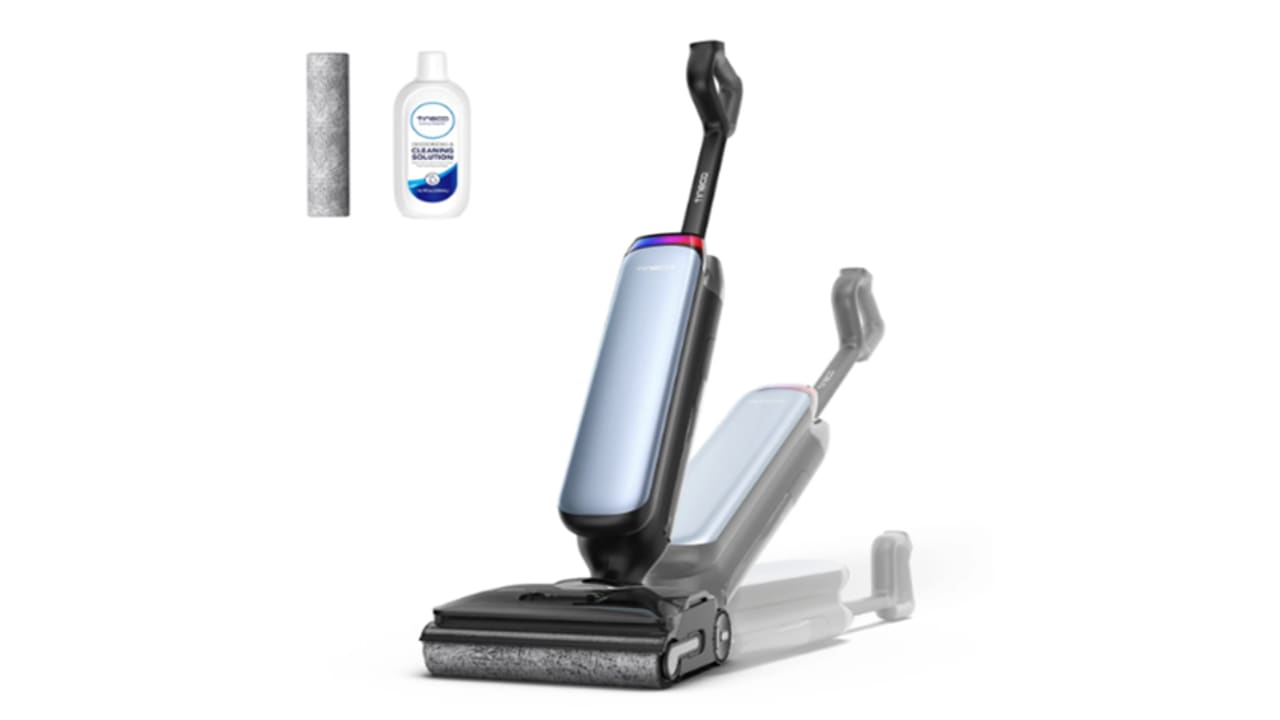
Tineco FLOOR ONE S9 Artist Pro
This model targets fast resets on hard floors. It aims to pick up dry grit and wash in one pass, so the job doesn’t turn into “vacuum now, mop later.”
What stands out for day-to-day use:
- 22kPa suction and up to 75 minutes runtime (real time depends on mode and mess)
- 180° lay-flat reach and a body height of about 12.85 cm, so it fits under lower furniture
- FlashDry self-cleaning that washes the brush with heated water, then dries it with 85°C hot air
- DualBlock anti-tangle scrapers to cut down hair wrap
Tineco FLOOR ONE S9 Artist Steam
The steam version leans into kitchen mess. Steam can soften dried splashes and greasy film, so the roller doesn’t just smear the problem around.
Key points listed for this model:
- HyperSteam system listed at 320°F, with a stated minimum 210°F outlet temperature
- The same headline 22kPa suction and up to 75 minutes runtime
- 180° lay-flat reach (around 5 inches) for under-sofa and under-cabinet areas
- A drying step listed at 185°F hot air to help the brush roll dry after cleaning
Steam still needs the right surface. It suits sealed hard floors. It does not suit unsealed wood or water-sensitive flooring.
How Dreame, Dyson, and Shark Tackle the Same Problem
All four brands chase the same goal: less time on floors, fewer steps, fewer “why does it still feel gritty?” moments. The differences show up in the practical details—hair wrap, how wet the floor gets, how much cleanup the machine needs after, and how well it fits into a normal routine.
Dreame: Floor-Washer First
Dreame’s wet cleaners often lean into the “floor washer” idea. They focus on washing hard floors quickly, then using self-cleaning features so the roller doesn’t sit in yesterday’s grime.
When comparing, look at:
- How well it runs flat under furniture without losing contact
- How it handles hair wrap in real homes
- How easy tank rinsing and brush care feel after a quick cleanup
Dyson: Dry Vacuuming Strength, Wet Cleaning as a Mode
Dyson often treats wet cleaning as a separate head or mode rather than the whole identity of the machine. That can make sense in homes where dry mess shows up daily and wet mess happens in smaller bursts.
Trade-offs to keep in mind:
- Wet cleaning can feel more like spot work than full-floor washing
- Switching heads or modes can add friction
- Dry pickup and above-floor cleaning usually stay strong
Shark: Convenience-Led All-In-One Cleaning
Shark’s wet-and-dry machines often aim for straightforward daily cleaning: pick up dry mess, wash the floor, then use a dock or self-clean routine to reduce the gross factor.
What usually matters most:
- How easy it feels to do a quick after-dinner pass
- How often the machine needs hands-on cleaning beyond self-clean
- How well it avoids streaks and puddles on the floor
Quick Comparison Checklist
- Hair and pets: real anti-tangle design beats “good in theory” claims
- Under-furniture reach: lay-flat designs help in homes with low sofas and beds
- After-clean routine: emptying the dirty-water tank and drying the brush decides long-term happiness
- Floor mix: these units love sealed hard floors; rugs and carpet still need a separate plan
So… is it Worth It? A Simple Decision Checklist
A wet-dry machine can feel like a lifesaver in the right home. In the wrong home, it turns into a bulky thing that sits in a corner and collects dust. The easiest way to decide comes down to the mess that shows up most days and the tolerance for the cleanup routine after.
Start with the Floor and the Mess
A wet-dry vacuum makes the most sense when sealed hard floors make up a big chunk of the home and daily mess lands in the same spots.
Quick check:
- Mostly tile, vinyl, laminate, sealed wood, or stone → higher payoff
- Mostly carpet or high-pile rugs → better as a “kitchen tool,” not a whole-home answer
- Frequent spills and sticky marks (kids, cooking, pets) → higher payoff
- Mostly dry dust and light crumbs → a standard vacuum may cover most needs
Be Honest About Upkeep
These machines run on clean water, empty tanks, and a brush roll that doesn’t stay damp.
If these habits feel realistic, the machine stays easy to live with:
- Empty and rinse the dirty-water tank after use
- Run self-clean when needed
- Let parts dry so smell doesn’t build
- Keep a small tool for edges and corners
Decide If Steam Adds Value
Steam can help with dried splashes and greasy kitchen film. It can also feel like overkill if the main problem is crumbs and hair.
Steam makes more sense when:
- Cooking leaves greasy marks near the stove
- Dried-on spots show up often
- Floors stay sealed and water-safe
Steam matters less when:
- Mess stays mostly dry
- Floors already clean up easily with warm water
- Rugs and carpet take up a lot of space
A Grounded Way to Judge “Worth It”
Instead of chasing hype, focus on fit. The “right” machine is the one that gets used, not the one with the flashiest numbers.
A wet-dry model tends to feel worth it when it:
- Fits under furniture without drama
- Handles hair without constant detangling
- Doesn’t leave streaks or puddles
- Cleans itself well enough that it doesn’t stink
For anyone comparing the Tineco model details directly, the S9 Artist Pro page appears under searches like best wet dry vacuum.
FAQ
1) What jobs suit a wet-dry vacuum best?
A wet-dry vacuum works best on sealed hard floors where mess shows up every day. Think kitchen splashes, sticky footprints, tracked-in grit, and pet hair that collects near walls. It shines as a quick reset tool, not a once-a-week deep clean machine.
2) What can’t a wet-dry vacuum replace?
It won’t replace everything. Thick rugs and carpet still need a regular vacuum, and corners still need a small tool now and then. It also won’t “fix” rough grout lines or deeply textured tile in one pass, since grime can sit below the surface.
3) Why do some wet-dry vacuums start to smell?
Smell usually comes from damp parts sitting too long. Dirty water in the dirty-water tank and a wet brush roll can get funky fast. Empty the tank right after use, rinse it, and let the brush area dry. That small routine makes a big difference.
4) What’s the real difference between the Tineco S9 Artist and the steam version?
Both aim to vacuum and wash in one pass, plus reach low areas with a lay-flat body. The steam model adds heat meant to loosen dried splashes and greasy film, which can help in kitchens. Steam still needs the right surfaces—sealed hard floors only—so it won’t suit water-sensitive floors like unsealed wood.
5) Should a home still keep a stick vacuum?
Often, yes. Many homes use a wet-dry unit for the main floor reset, then keep a stick vacuum for rugs, stairs, edges, and quick dry pickup. People who browse options like best cordless vacuum usually want that flexible “grab-and-go” dry cleaning for the spots a wet-dry unit doesn’t love.
6) How does Tineco S9 Artist’s suction (22 kPa) compare to Dreame H15 Pro (20 kPa) and Shark HydroVac Max (18 kPa) in real use?
Suction differences translate to tangible results on common U.S. messes:
- Tineco (22 kPa): Lifts embedded grit from tile grout, pet hair from low-pile carpet edges, and thick spills (e.g., oatmeal, yogurt) without smearing.
- Dreame (20 kPa): Handles most daily messes but struggles with dried-on sauce or heavy grit in grout lines.
- Shark (18 kPa): Works for light spills and crumbs but may require 2 passes on sticky spots or dense pet hair.
For U.S. homes with kids/pets or high-traffic kitchens, Tineco’s extra suction cuts down on repeat cleaning—especially useful for busy weeknights.
7) Is the Tineco S9 Artist Steam safe for LVT (Luxury Vinyl Tile), the most popular flooring in U.S. new homes?
Absolutely—LVT is sealed, water-resistant, and heat-tolerant, making it a perfect match for Tineco’s steam and wet-dry modes. Key tips for LVT:
- Use the “Eco” mode for regular cleaning (balances water/steam to avoid streaks).
- Avoid the “Max Steam” setting on matte-finish LVT (may leave temporary haze).
Tineco’s MHCBS system (450 water-recycling cycles/min) leaves LVT dry in 3–5 minutes, faster than Shark HydroVac (8–10 mins) and safer than Dyson WashG1 (more water = higher streak risk).
8) How often do filters and brush rolls need replacement, and what’s the cost in the U.S.?
Consumable lifespans and prices align with U.S. market standards:

Tineco’s parts last longer thanks to durable materials (e.g., anti-wear brush bristles), offsetting slightly higher upfront costs for frequent users.
9) Can the Tineco S9 Artist clean a 2,000 sq. ft. U.S. home in one charge, and how many times do I need to empty the tanks?
- Runtime: The S9 Artist’s 75-minute Eco-mode runtime covers 2,500+ sq. ft.—easily enough for a 2,000 sq. ft. home (3–4 bedrooms).
- Tank Capacity: The 0.8L clean water tank and 0.6L dirty water tank typically require 1–2 empty/refill cycles for 2,000 sq. ft. (e.g., empty dirty water after kitchen + living room, refill clean water for bedrooms).
This beats Shark HydroVac (45-minute runtime = 1,500 sq. ft. max) and matches Dyson WashG1 (but with wet-dry + steam versatility).
10) Are wet-dry vacuums like Tineco safer for kids and pets than traditional mops, especially with cleaning solutions?
Yes—for two key reasons:
- No Residue: Tineco’s recommended cleaning solution (pH-neutral, $12–$15/bottle) leaves no sticky or toxic residue, unlike some harsh mop cleaners.
- Fast Drying: Floors dry in 3–5 minutes, reducing slip risks for toddlers and pets (vs. 10–15 mins for traditional mops).
The steam model (S9 Artist Steam) adds an extra layer: 210°F steam kills 99.9% of bacteria (E. coli, Staph) without chemicals, per Tineco U.S. lab tests—ideal for homes with crawlers or allergy sufferers.
11) How heavy is the Tineco S9 Artist, and is it easy to carry up stairs in multi-level U.S. homes?
The S9 Artist weighs 4.8 kg (10.6 lbs)—lighter than Dyson WashG1 (5.2 kg) and Shark HydroVac Max (5.5 kg). Key for stairs:
- Ergonomic handle reduces wrist strain during carrying.
- Cordless design eliminates tripping hazards on staircases.
Most U.S. users report easily carrying it between 2–3 floors for spot cleaning (e.g., upstairs bathroom spills), though it’s still best to keep a stick vacuum for regular stair cleaning.
12) What’s the charging time for Tineco S9 Artist, and how to maintain battery life long-term?
- Charging Time: 3 hours for a full charge (faster than Dreame H15 Pro’s 4 hours).
- Battery Maintenance Tips:
- Avoid storing it fully charged (keep at 50% if unused for >2 weeks).
- Charge in a cool, dry place (not humid garages or hot attics).
- Use the “Eco” mode for daily cleaning (preserves battery vs. “Max” mode).
Tineco’s lithium-ion pouch battery retains 80% capacity after 500 charges (3–4 years of regular use), outperforming Shark’s 70% retention.
13) Do I need a separate cleaning solution, or can I use tap water with Tineco?
Tap water works for light cleaning (e.g., dust, crumbs), but Tineco’s official solution is recommended for:
- Sticky messes (syrup, sauce) and greasy kitchen film.
- Hard water areas (U.S. Southwest, Midwest) to prevent mineral buildup in the machine.
The solution is concentrated (1 bottle lasts 6–8 months for weekly cleaning) and compatible with both wet-dry and steam modes—avoid homemade solutions (vinegar, baking soda) that can damage internal parts or void the warranty.
14) How does Tineco’s edge cleaning compare to Dyson, and are there accessories to clean tight corners?
Tineco’s “EdgeClean” brush reaches within 1 cm of baseboards, better than Dyson WashG1 (2 cm gap) but slightly less than Shark HydroVac (0.5 cm). For tight corners (e.g., between kitchen cabinets, bathroom vanity), Tineco includes a crevice tool accessory—perfect for U.S. homes with standard 3-inch baseboards and narrow hallways.
15) What’s Tineco’s U.S. warranty and customer support like, compared to competitors?
- Warranty: 2-year standard warranty (extendable to 3 years free via U.S. registration) covers parts, labor, and battery—matching Dyson and exceeding Shark (1-year standard).
- Support: U.S.-based customer service (phone, chat, email) available 9 AM–6 PM EST, with service centers in Los Angeles, New York, and Dallas. Most repairs are completed within 5–7 business days, faster than Dreame (10–14 days for U.S. service).
Conclusion
Wet-dry machines don’t turn floor care into a zero-effort chore. They do cut out the clunky two-step routine on sealed hard floors, especially in kitchens, entryways, and pet-heavy homes where mess piles up fast.
The clean takeaway looks simple:
- A wet-dry vacuum works best as a daily reset tool, not a once-a-week deep-clean hero
- Corners and edges still need backup help
- Upkeep decides long-term happiness: empty the dirty-water tank, keep the brush roll clean, let things dry
In that context, Tineco’s S9 Artist launch leans into common pain points—reach under furniture with a lay-flat design, stronger pull with 22kPa suction, and brush care meant to cut down odor and hair wrap. Dreame, Dyson, and Shark tackle the same problem with different priorities, so the best match comes from the home’s mess pattern, not the logo on the box.
When the tool fits the mess, floors stop stealing time. They just stay decent. Most days, that’s the win.
This article was written in cooperation with Tineco