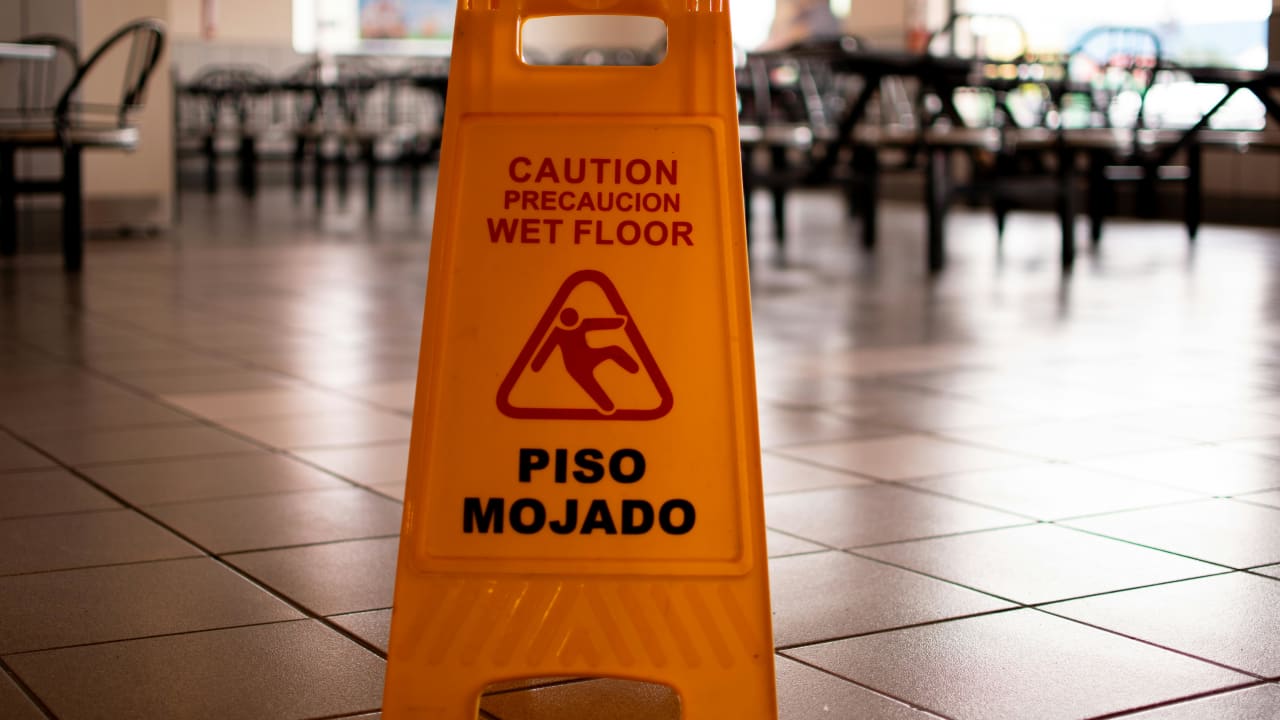
The gig economy has revolutionized modern work, but it has also created new complexities when accidents occur. Delivery drivers, rideshare operators, and independent contractors frequently navigate unfamiliar environments where slip-and-fall hazards lurk around every corner. "Liability in gig economy slip-and-fall cases exists in a legal gray zone," notes Atlanta slip and fall lawyer John Foy. "Unlike traditional employees, gig workers operate without clear workplace protections, making responsibility determinations particularly challenging." This examination explores the shifting landscape of accountability when gig workers suffer preventable falls and how they can secure fair compensation.
The Hazardous Reality of Gig Work Environments
Platform workers face unique occupational hazards that traditional employees rarely encounter. A DoorDash driver rushing to complete a delivery might traverse icy apartment complex walkways at night. An Instacart shopper could slip on unmarked spills while navigating crowded grocery store aisles. TaskRabbit contractors often work in private residences with unpredictable maintenance conditions. Unlike conventional employees who receive workplace safety training, gig workers typically enter these environments without hazard awareness or protective equipment.
The independent contractor classification compounds these risks by denying access to workers' compensation benefits. When injuries occur, gig workers must pursue personal injury claims against potentially multiple responsible parties—a legally complex process requiring careful navigation of liability principles.
The Web of Potential Liability
Determining fault in gig worker slip-and-fall incidents requires examining multiple relationships. Property owners maintain the primary duty to ensure safe premises for all lawful visitors, including gig workers. A restaurant with chronically wet floors or a landlord who neglects to repair broken stairs could bear full responsibility for resulting injuries. However, the legal analysis grows more nuanced when examining platform companies' roles.
Gig economy corporations vigorously defend their classification of workers as independent contractors to avoid traditional employer responsibilities. Yet some courts have begun recognizing that these platforms exercise sufficient control over work conditions to warrant liability in certain circumstances. For instance, aggressive delivery time algorithms that pressure workers to rush could contribute to hazardous conditions. Similarly, customers who create dangerous situations—such as failing to clear snow from delivery paths—may share liability when their negligence causes worker injuries.
Legal Obstacles in Seeking Justice
Gig workers pursuing slip-and-fall claims encounter several unique legal challenges. The independent contractor designation forces them to rely on personal injury claims rather than workers' compensation systems designed for workplace injuries. Proving negligence requires establishing that another party failed in their duty of care—a demanding standard when dealing with sophisticated corporate defendants.
Evidence collection presents another hurdle. Unlike traditional workplace accidents documented through employer reporting systems, gig worker incidents often occur without institutional record-keeping. Security footage may be unavailable or overwritten before claims develop. Witnesses frequently disperse without providing contact information. Additionally, the variable income nature of gig work complicates lost wage calculations, requiring meticulous documentation of earning histories.
Critical Post-Accident Actions
An immediate response to a slip-and-fall incident significantly impacts eventual claim outcomes. Medical attention should be the first priority, both for health concerns and to create documentation linking injuries to the specific incident. Visual evidence proves invaluable—photographing the exact location of the incident, surrounding conditions, and any visible injuries creates permanent documentation that verbal descriptions cannot match.
Formal incident reports should be filed with property owners or managers whenever possible. While gig platforms should be notified of work-related accidents, workers should exercise caution in their communications, as corporate representatives may attempt to minimize liability. Detailed records of all medical treatments, expenses, and missed work opportunities form the foundation of strong compensation claims.
Proactive Risk Mitigation Strategies
While no prevention method eliminates all risks, gig workers can implement practical strategies to reduce hazard exposure. Appropriate footwear with slip-resistant soles provides basic protection across various work environments. Heightened situational awareness helps identify potential dangers such as uneven surfaces or poorly lit areas before accidents occur.
Many gig platforms offer optional occupational accident insurance—while these policies typically provide limited benefits compared to traditional workers' compensation, they represent an additional safety net worth considering. Workers should also familiarize themselves with local tenant and business liability laws, as this knowledge can inform safer work practices and strengthen future claims if accidents happen.
Conclusion
The gig economy's convenience comes with hidden costs for worker safety, particularly regarding slip-and-fall hazards. Current systems place the burden of proof on injured workers to demonstrate negligence across complex webs of potential liability. While property owners bear primary responsibility for maintaining safe premises, gig platforms may share accountability depending on their level of operational control.
Gig workers facing these challenges must act decisively to document incidents and preserve evidence. As legal standards continue evolving, there remains hope for more balanced systems that properly protect this growing workforce. Until then, understanding rights and responsibilities remains essential for any gig worker navigating the physical—and legal—landscape of modern platform employment.
This article was written in cooperation with Tom White