
The upheaval experienced by the local tech industry as a result of macroeconomic and geopolitical pressures has penetrated even the walls of the sector's giant companies, shuffling the employer ranking map in the Dun & Bradstreet "Best Tech Companies to Work For" list for 2026, which was published on Tuesday.
Thousands of employees answered surveys on work experience, management quality, diversity, and work-life balance, alongside an in-depth examination of the adoption and implementation of AI tools in work processes and organizational culture. This led to insights that connect with the general sentiment in the local innovation industry: Employees are no longer flocking to flashy PR for companies or drawn to excessive perks and gimmicks, but are instead seeking job security and managerial transparency.
Dun & Bradstreet noted, among other things, that "some respondents described repeated cuts, a sense of instability, and a lack of sufficient communication. One employee wrote: 'In the past year, the company has been experiencing difficulties and transparency simply disappeared.' Another noted: 'A lot of decisions are made, many changes, not everything is clear, not everything is explained.'"
In a series of articles and reviews on layoff crises in global tech published in September 2025 and July 2026 in Forbes magazine, it emerged that repeated or rolling waves of layoffs constitute the central factor in destroying trust in an organization.
The sentiment report from international tech recruitment giant Dice also points to a surge in burnout levels among tech workers, with job instability jumping to the top of the priority list in employees' motives for moving from company to company. Data in the Dice survey shows that the loss of confidence in the long-term future of companies is driving a significant percentage of employees to consider moving, even in an environment where the labor market poses challenges.
Job security and transparency replace flashy perks
In the ranking of the local technology industry, the resounding drop of several prominent companies in the sector caught the eye, led by Israeli software giant monday.com, which was placed in 35th position after plunging 32 spots from 3rd place, where it was ranked last year.
Alongside monday.com, Taboola and Natural Intelligence also slid downward from 17th and 18th positions, respectively, to 30th and 32nd places in this year's ranking.
Dun & Bradstreet did note that 88% of surveyed employees answered that layoffs in their organization were managed with transparency and fairness to a high degree, compared to 77% of employees who noted this last year, but on the ground, burnout is still evident. According to the survey, satisfaction with entry opportunities into the sector for inexperienced workers (juniors) plunged to 73%, compared to 85% in 2023.
In addition, while 80% of employees at artificial intelligence startups feel their salary is competitive, only 56% of employees at traditional and large companies share this feeling, creating a brain drain toward smaller, more agile companies.
NVIDIA leads as smaller companies gain ground
Dun & Bradstreet also reports an erosion in support for employees who are parents and in community contribution, with satisfaction with conditions for parents falling to 77% compared to 86% last year, alongside a decrease in the weight employees place on social contribution.
Alongside the challenges and the erosion of trust, the ranking highlights bright spots in the sector, such as companies that managed to establish a strong organizational culture, attractive compensation, and technological resilience.
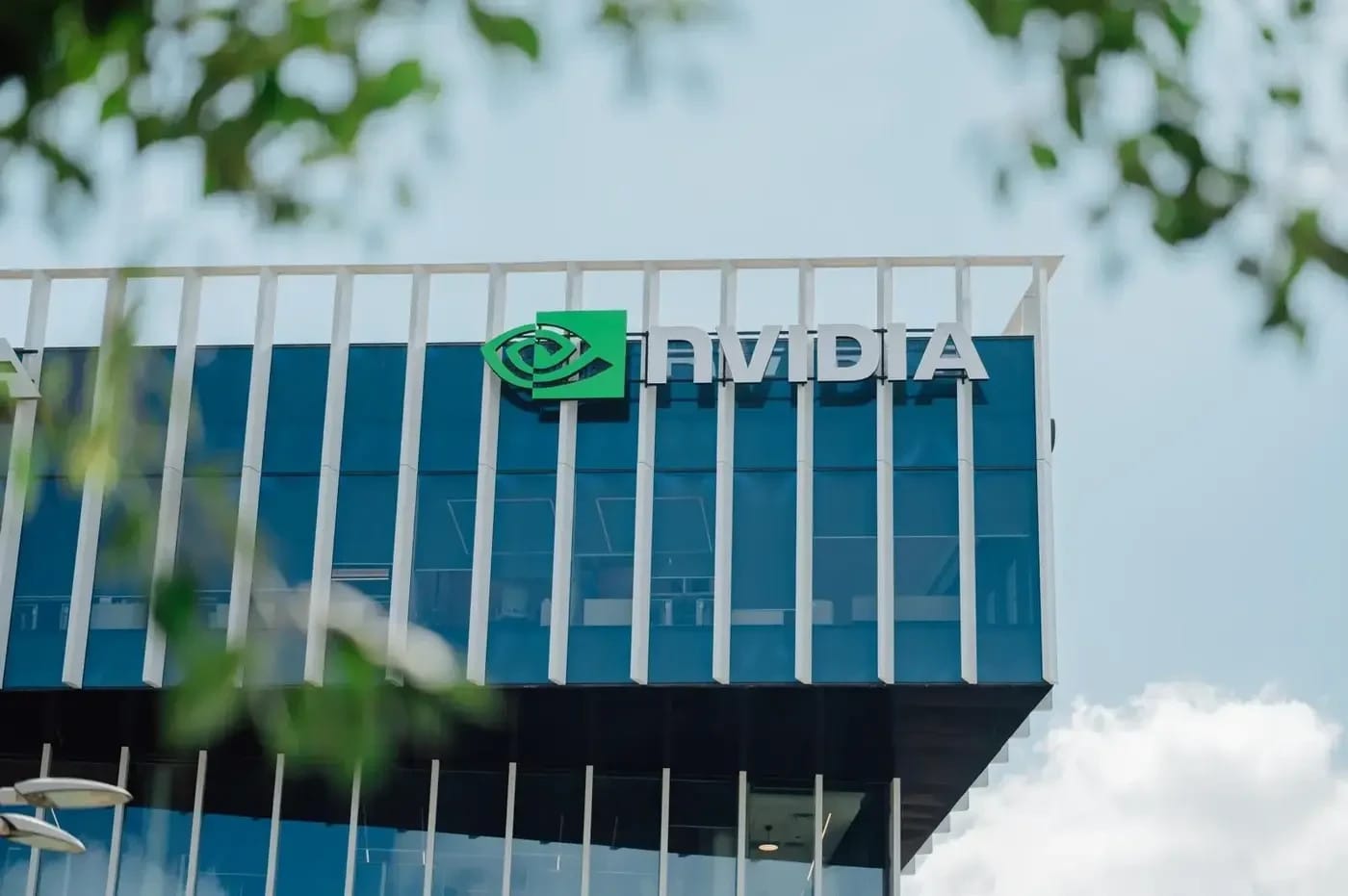
Chip company NVIDIA consistently holds the top spot in the ranking as the best company to work for. Right behind it is cybersecurity company Island, which recorded its first entry into the ranking and moved the Microsoft Israel R&D Center to the third spot, rounding out the top three ranked companies.

Closing out the ranking of 40 companies from the bottom are enterprise business software companies Priority Software, which reached 38th place, and Glassbox, which reached 39th place, while chip company Camtek entered for the first time directly at the bottom of the top 40.
Yael Belgorai Cohen, head of the tech sector at Dun & Bradstreet: "Employee trust is built in the tough decisions of the present and in investing in their professional future. The findings illustrate the importance of transparency and a human touch during layoffs and organizational changes, alongside training that enables employees to advance in the AI era. The decline in satisfaction with entry opportunities for juniors also requires looking ahead. The growth of Israeli tech depends on the ability to develop the next generation of employees and managers here. Companies that invest in their human capital, grant opportunities, and manage changes responsibly will build a significant advantage in recruiting and retaining talent."
The full ranking:
1 NVIDIA Israel
2 Island
3 Microsoft Israel R&D Center
4 Palo Alto Networks
5 Salesforce
6 Silverfort
7 SAP Labs Israel
8 PANAYA
9 Autodesk Israel
10 AppsFlyer
11 Rubrik
12 Cloudinary
13 Overwolf
14 WSC Sports
15 mavens by Zynga
16 ServiceNow
17 Coralogix
18 Optibus
19 Google Israel
20 Thales Cyber Security Products-Imperva
21 Meta
22 Rafael Advanced Defense Systems
23 Intel Israel
24 Apple Israel
25 Akamai Technologies
26 Amazon Israel
27 Orca Security
28 Fullpath by Cox Automotive
29 Upwind Security
30 Taboola
31 NICE
32 Natural Intelligence
33 Semperis
34 Innovid
35 monday.com
36 Riskified
37 Digital Turbine
38 Priority Software
39 Glassbox
40 Camtek