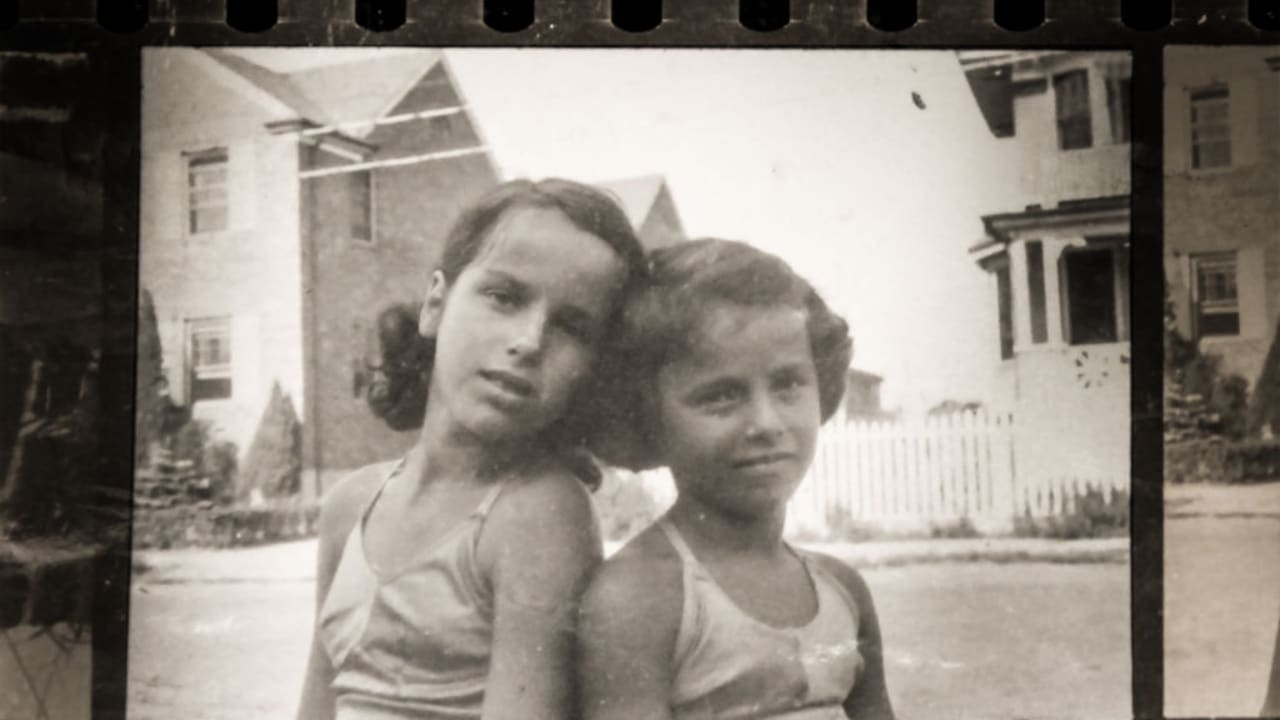
Nearly nine decades after fleeing Nazi Germany as a child on the Kindertransport, Holocaust survivor Helen Charash, 92, recently made aliyah to Jerusalem, joining a small but steady number of survivors relocating to Israel late in life.
She made the move with the assistance of Nefesh B’Nefesh, in cooperation with the Aliyah and Integration Ministry, The Jewish Agency for Israel, Keren Kayemeth LeIsrael (KKL), and the Jewish National Fund-USA (JNF-USA). She spoke to The Jerusalem Post from her new home in Jerusalem on the eve of Holocaust Remembrance Day.
Charash was born Helen Hesse in Hamburg, Germany. From April 1933, her father, an attorney, was no longer allowed to practice law. Following Kristallnacht, great efforts were made to get Charash and her sister out of Germany. At the time, she was five and a half years old, and her sister was two and a half years old. They left Germany without their parents on the Kindertransport in December 1938.
The girls were sent to the Netherlands, where they were placed in a detention camp and cared for by nuns. Their parents were eventually able to reunite with them in early spring 1939. The family traveled to London and, from there, sailed to New York in June 1939.
They settled in Washington Heights, a neighborhood home to many German Jews. Charash’s sister, Eva Hesse, became a renowned artist in New York. Her work is exhibited in major museums, including the Israel Museum, the Tel Aviv Museum of Art, the San Francisco Museum of Modern Art, and the Museum of Modern Art (MoMA) in New York. In May 2027, an exhibition dedicated to her life and work is set to open. Eva passed away in 1970 at the age of just 34.

The trauma of the Holocaust lived with the family. “I lost my grandparents. I lost my only uncle and aunt, who were young, with no children yet. My mother was severely damaged. It was very difficult for my father; he had been an attorney, we had lived a good life, and in the US, we had nothing,” she told the Post.
Charash’s family story was preserved by her father, who kept detailed journals for his daughters, so that one day they would be able to understand what their family experienced during the Holocaust. Charash told the Post that her family read a good portion of the journals aloud at the Seder table this year.
Desire to be close to family in Israel
Her aliyah was driven by her desire to be close to her family in Israel. Even though Charash’s husband was born in Jaffa during the British Mandate and had wanted to move back to Israel, Charash herself had resisted. She said she did not think of moving until her son moved to Israel to attend university.
Her son now resides in Jerusalem with his family, and through him, Charash has two grandchildren and three great-grandchildren in Israel. She finally made aliyah to Jerusalem on September 17, 2025.
“My family is wonderful, they’re very helpful,” she told the Post.
Charash said she finds it very difficult to live in Israel, not due to culture shock but because she doesn’t speak Hebrew and needs help with daily tasks such as grocery shopping, medications, and medical appointments.
She also thanked Nefesh B’Nefesh for their help in her aliyah process, saying they were “very good” and made the “very complicated process” much easier.
While she told the Post she was “not a spring chicken,” she said she was looking forward to visiting Israel’s museums, going to concerts, and partaking in activities. Mostly, she looks forward to spending time with her family, including her three-week-old baby great-granddaughter.
Referring to the situation for Jews in the Diaspora, Charash told the Post it was “inconceivable” to see antisemitism at the levels it is today.
“It’s incomprehensible. History is repeating itself. My husband always said it.”
Charash had strong words for those who compare modern-day suffering or conflicts to the Holocaust. The pro-Palestine crowd in particular uses such similes: either by equating Israelis with Nazis, or by calling Gazans Holocaust survivors.
“You don’t want Israelis compared to the Nazis, my God, it’s sickening,” she said.
She added that it was “absolutely ridiculous” to compare Palestinians to Holocaust survivors: “Hamas started this thing, and what they did is subhuman. I don’t know, it [October 7] was worse than the Holocaust, it was horrible,” she added.
Despite rising antisemitism, Charash said she never hesitates to profess her Judaism in any way and remains proud of it.
“I never wore a star of David, so I’m not going to wear one now, but we put our menorah right in the window [in New York],” she said.
Charash now joins a population of 111,000 Holocaust survivors living in Israel, according to a report by the Central Bureau of Statistics on Monday.